
Introduction to PRP in Knee Osteoarthritis
Knee osteoarthritis is a common cause of joint pain and stiffness. Many people look for non-surgical knee osteoarthritis treatment options. PRP in knee osteoarthritis is gaining attention as a possible solution. PRP stands for Platelet-Rich Plasma. It uses your own blood to help heal and reduce pain in the knee. Because it is natural, many people want to know more about this treatment.
How PRP Therapy Works
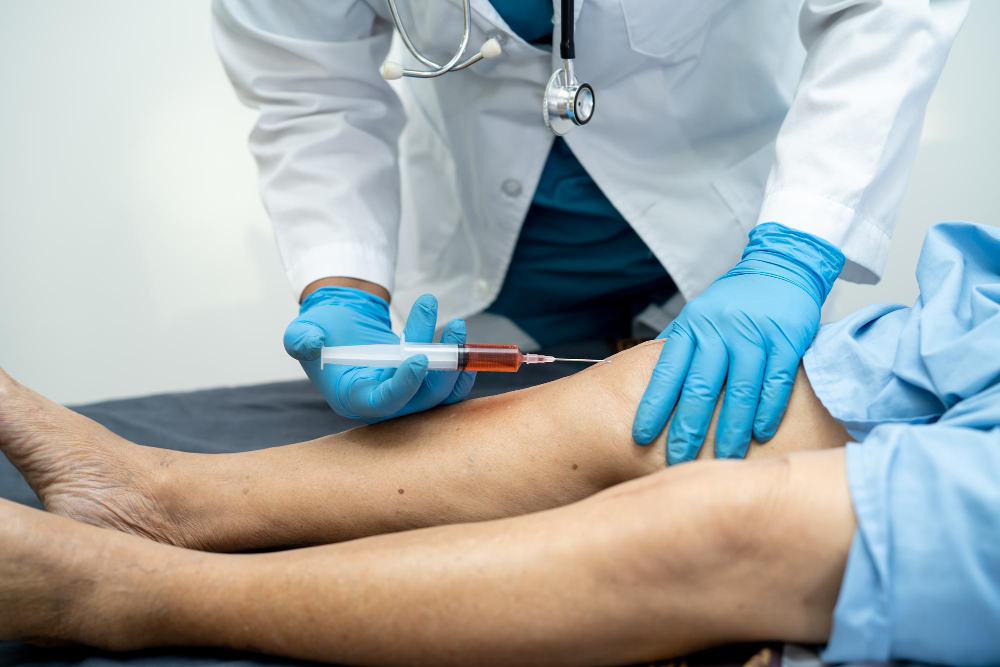
PRP therapy uses the healing parts of your blood. First, a doctor draws a small amount of your blood. Then, the blood is spun in a machine to separate the platelets. These platelets are rich in growth factors. Next, the doctor injects the PRP into your knee joint. As a result, the growth factors may help repair damaged tissue and reduce swelling. This process is simple and usually takes less than an hour.
Benefits of PRP for Knee Osteoarthritis
Many people ask about PRP injection benefits. While results can vary, research suggests PRP may help in several ways:
Moreover, PRP is a non-surgical knee osteoarthritis treatment. This makes it a good choice for people who want to avoid surgery.
The PRP Procedure: What to Expect
Knowing what to expect can help you feel at ease. Here is a step-by-step guide:
Most people can go home the same day. However, you should avoid heavy activity for a few days.
Potential Risks and Side Effects
Although PRP in knee osteoarthritis is safe for most people, some risks exist. For example, you may feel mild pain or swelling at the injection site. Rarely, infection or bleeding can occur. Because PRP uses your own blood, allergic reactions are very rare. Still, always talk to your doctor about any concerns before starting treatment.
Who May Benefit from PRP Treatment
PRP therapy is not for everyone. However, it may help if you:
On the other hand, people with certain blood disorders or infections may not be good candidates. Therefore, always discuss your health history with your doctor.
Lifestyle Tips and Aftercare
After PRP therapy, caring for your knee is important. Here are some tips:
Additionally, regular follow-up visits help track your progress.
Prevention and Long-Term Management
Even with PRP, taking care of your knees is key. To help prevent more damage:
In summary, healthy habits can support your knee health for years to come.
If you are interested in PRP for knee osteoarthritis, consult an orthopedic specialist at Tookdar Krishna Hospital SIRSI to see if PRP therapy is right for you.