
Home / Pain Conditions / Spine & Back Pain
Spine & Back Pain Treatment Without Surgery
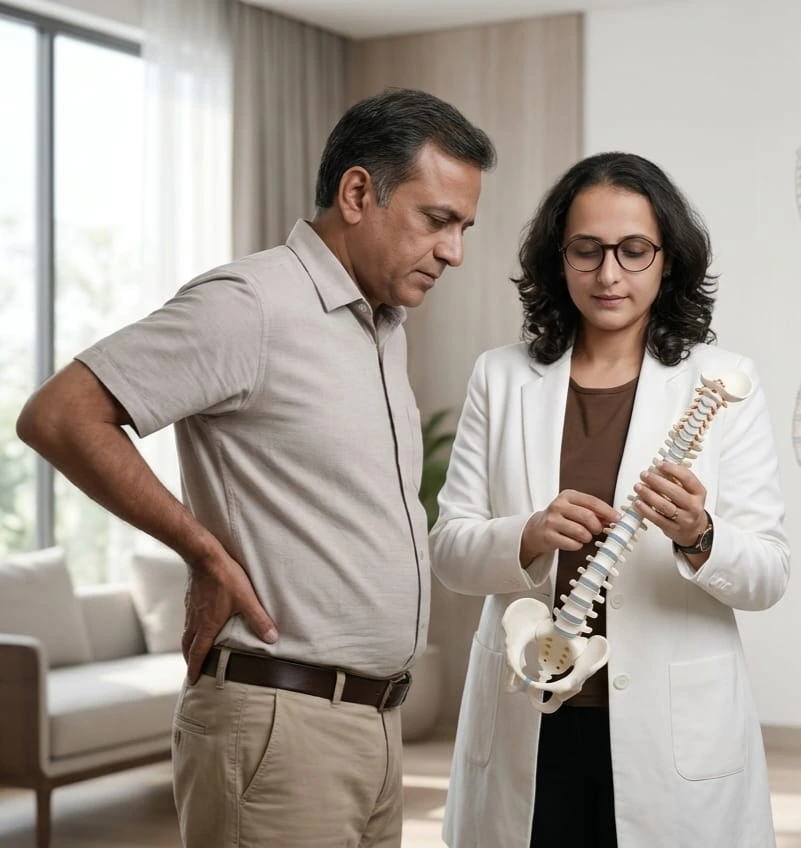
Whether you’re experiencing chronic neck pain, sciatica, slipped disc, or persistent lower back pain, Dr. Radhika provides advanced, non-surgical pain management to reduce discomfort, restore mobility, and improve your quality of life.
Ultrasound-Guided Procedures
Non-Surgical Pain Relief
Personalized Treatment Plans
UNDERSTANDING YOUR PAIN
Understanding Spine & Back Pain
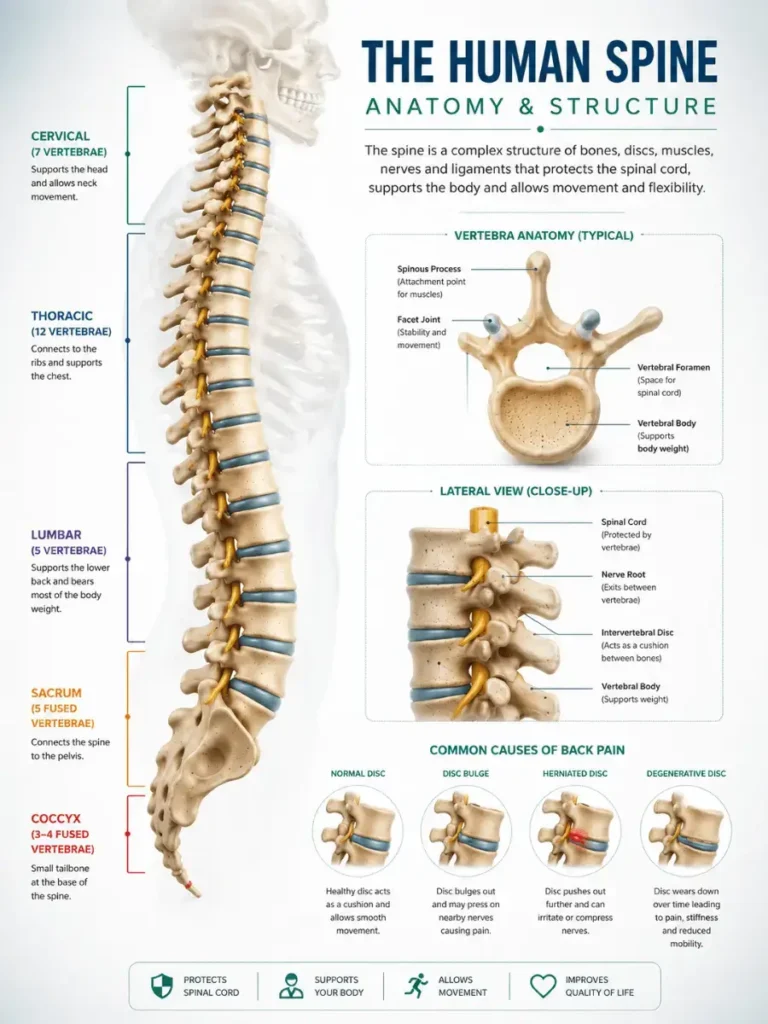
Spine and back pain can develop from problems affecting the muscles, joints, discs, nerves, or supporting tissues of the neck and back. Conditions such as slipped discs, sciatica, cervical spondylosis, and facet joint pain may cause stiffness, weakness, numbness, or pain that spreads into the arms or legs.
A detailed assessment helps identify the exact source of pain so that treatment can be planned according to your condition, symptoms, lifestyle, and recovery goals.
COMMON SYMPTOMS
Symptoms We Treat
If you’re experiencing persistent or radiating pain, early diagnosis can help prevent long-term complications and improve your quality of life.
Persistent Neck Pain
Lower Back Pain
Sciatica
Numbness & Tingling
Muscle Weakness
Stiffness
Pain While Walking
Reduced Mobility
SPINE CONDITIONS
Spine & Back Pain Conditions We Treat
We diagnose and treat a wide range of neck, back, disc, joint, and nerve-related conditions using personalized, evidence-based pain management.
Chronic Neck Pain
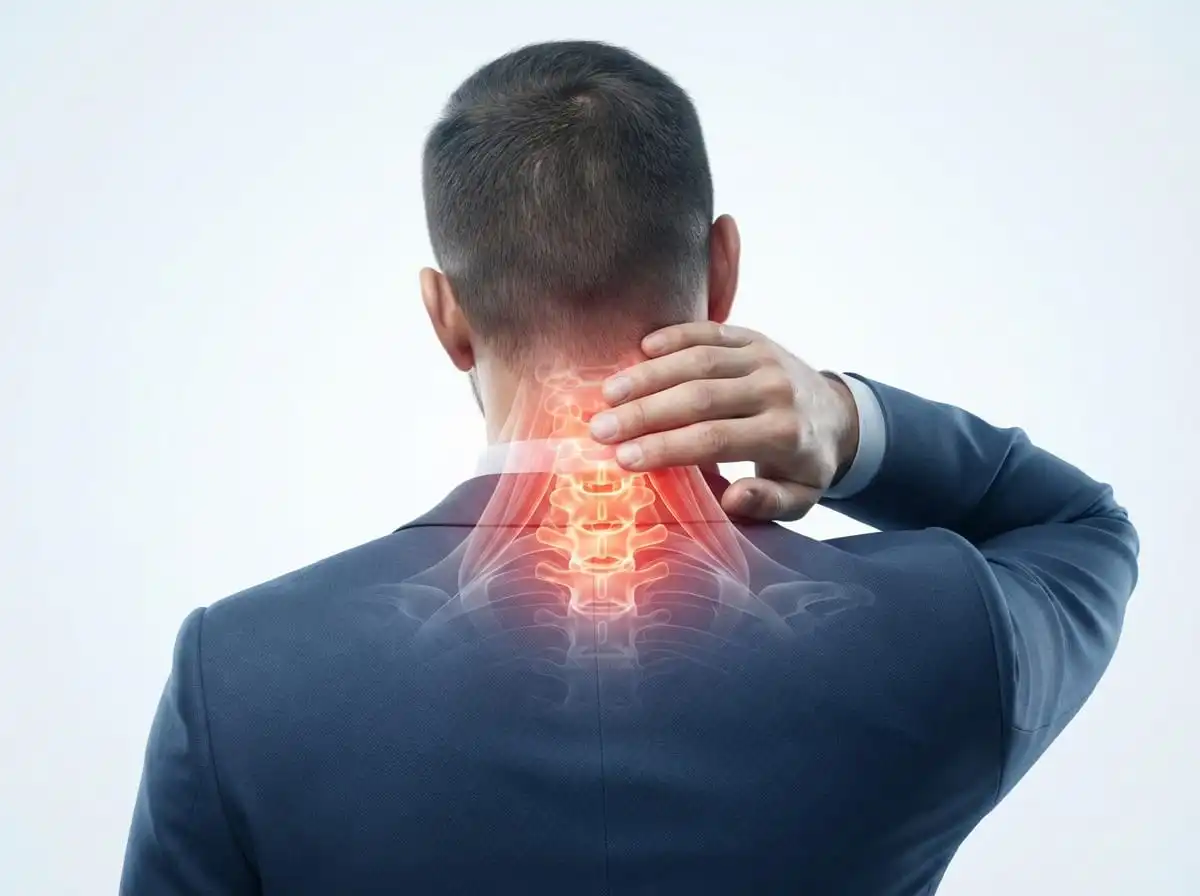
Persistent neck pain caused by muscle strain, arthritis, disc problems, or nerve compression that affects daily activities and quality of life.
Sciatica
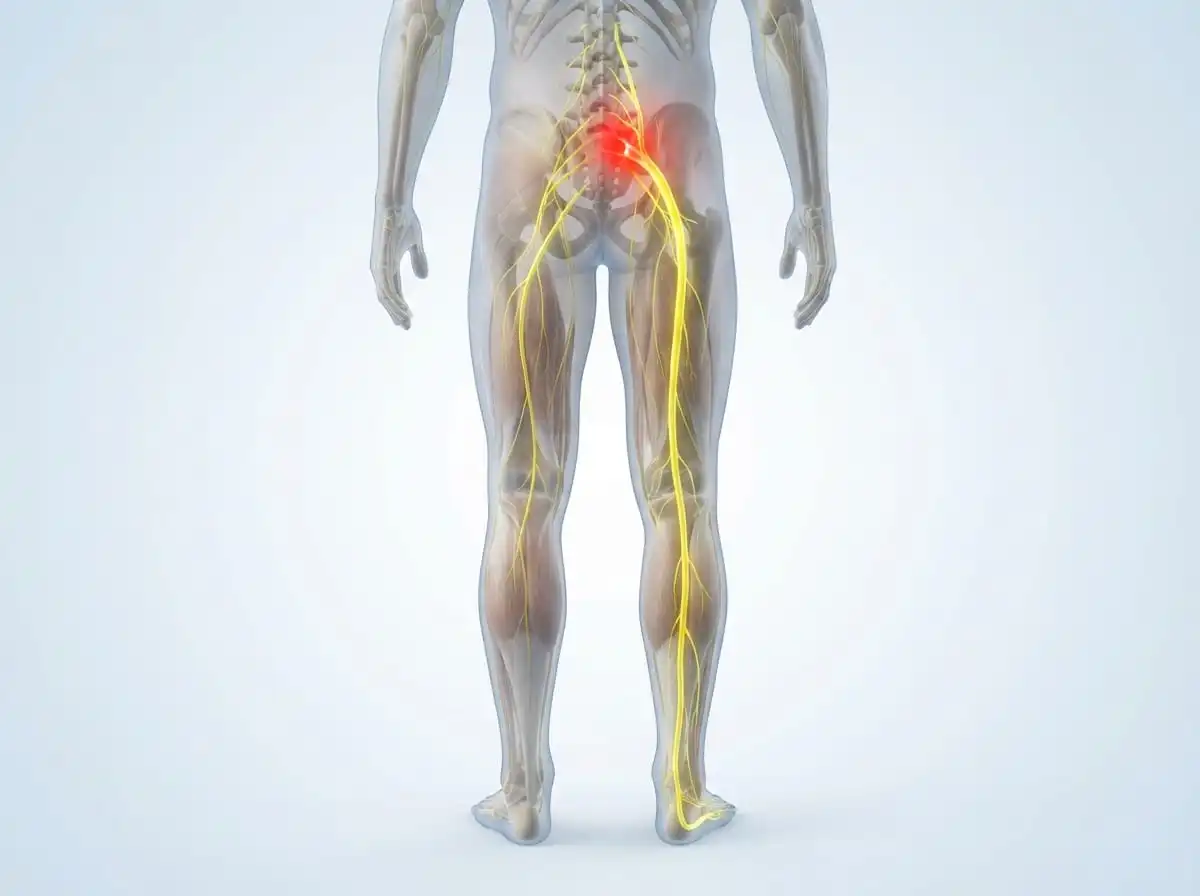
Pain radiating from the lower back into the leg due to irritation or compression of the sciatic nerve.
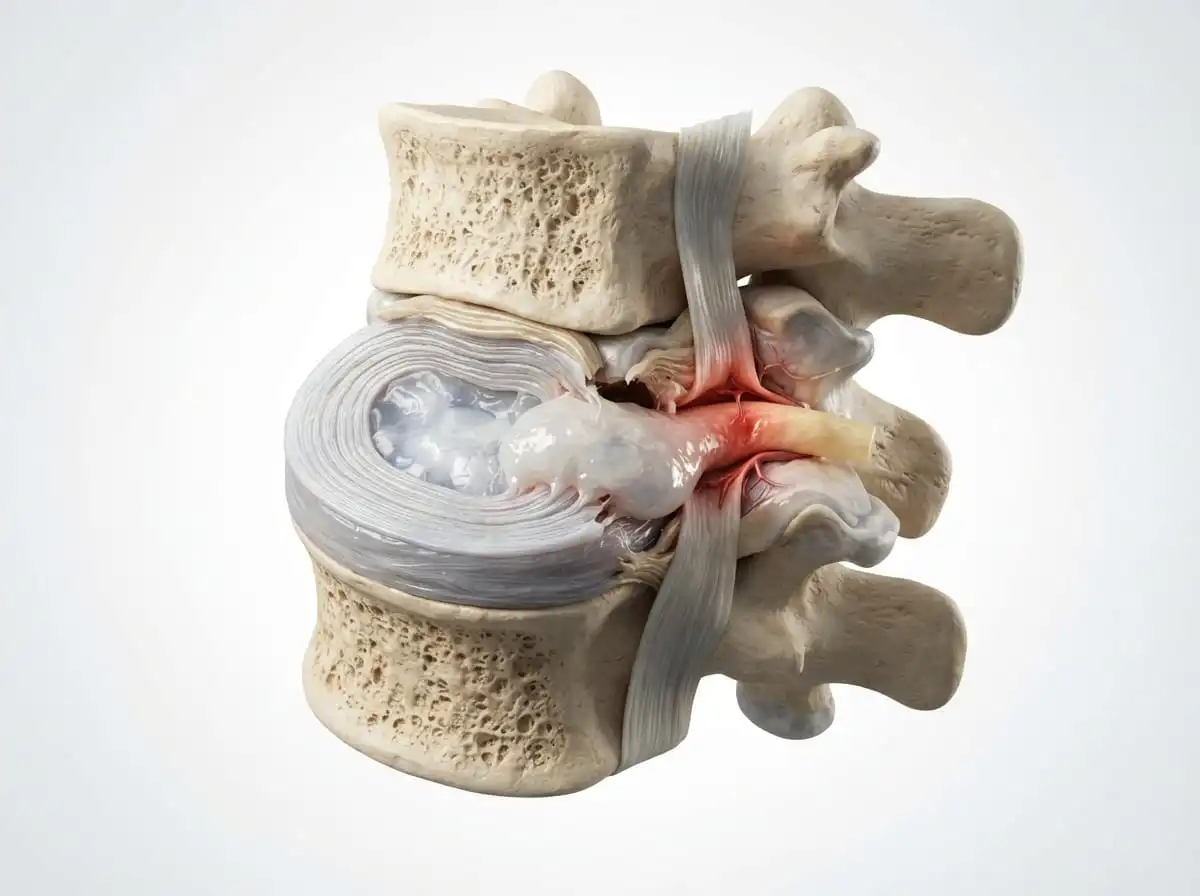
Slipped Disc
A herniated spinal disc that presses on nearby nerves, causing pain, numbness, and reduced mobility.
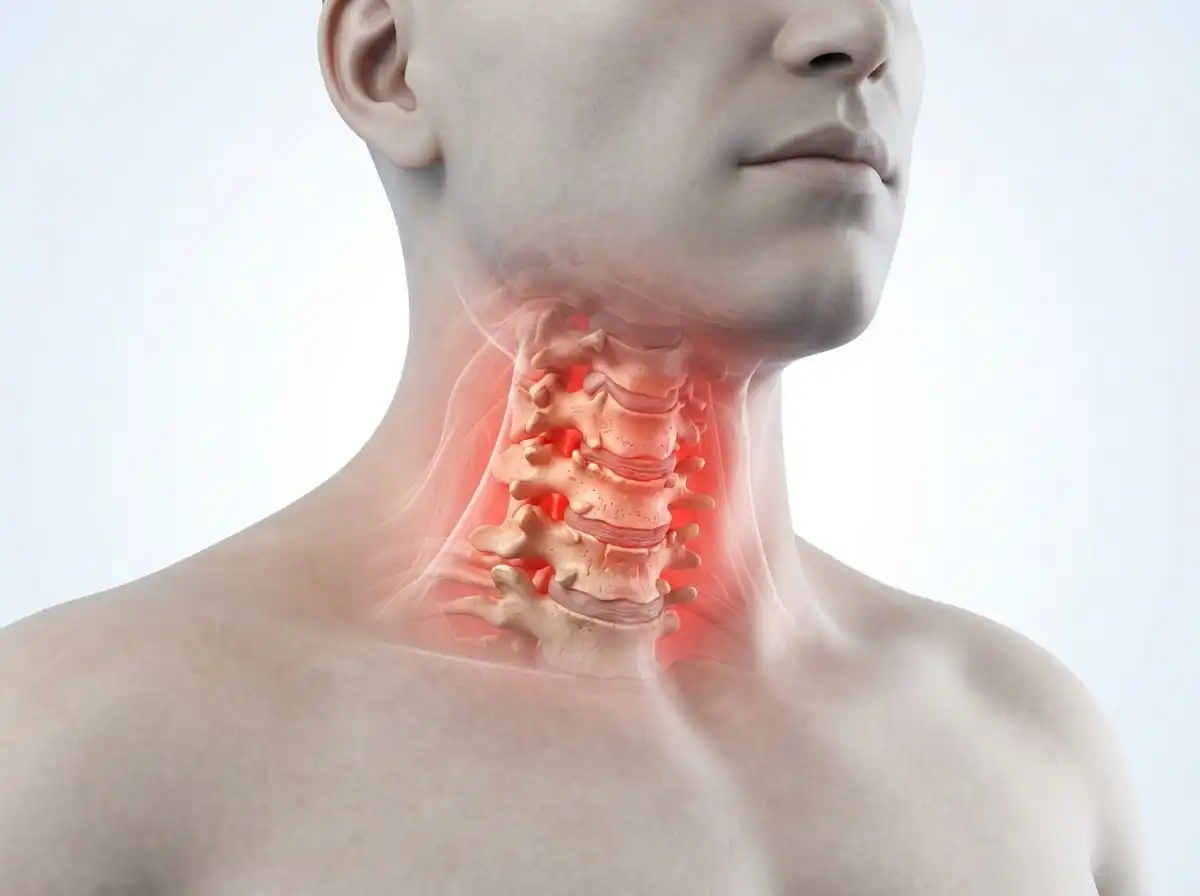
Cervical Spondylosis
Age-related degeneration of the neck joints causing stiffness, chronic pain, and limited movement.
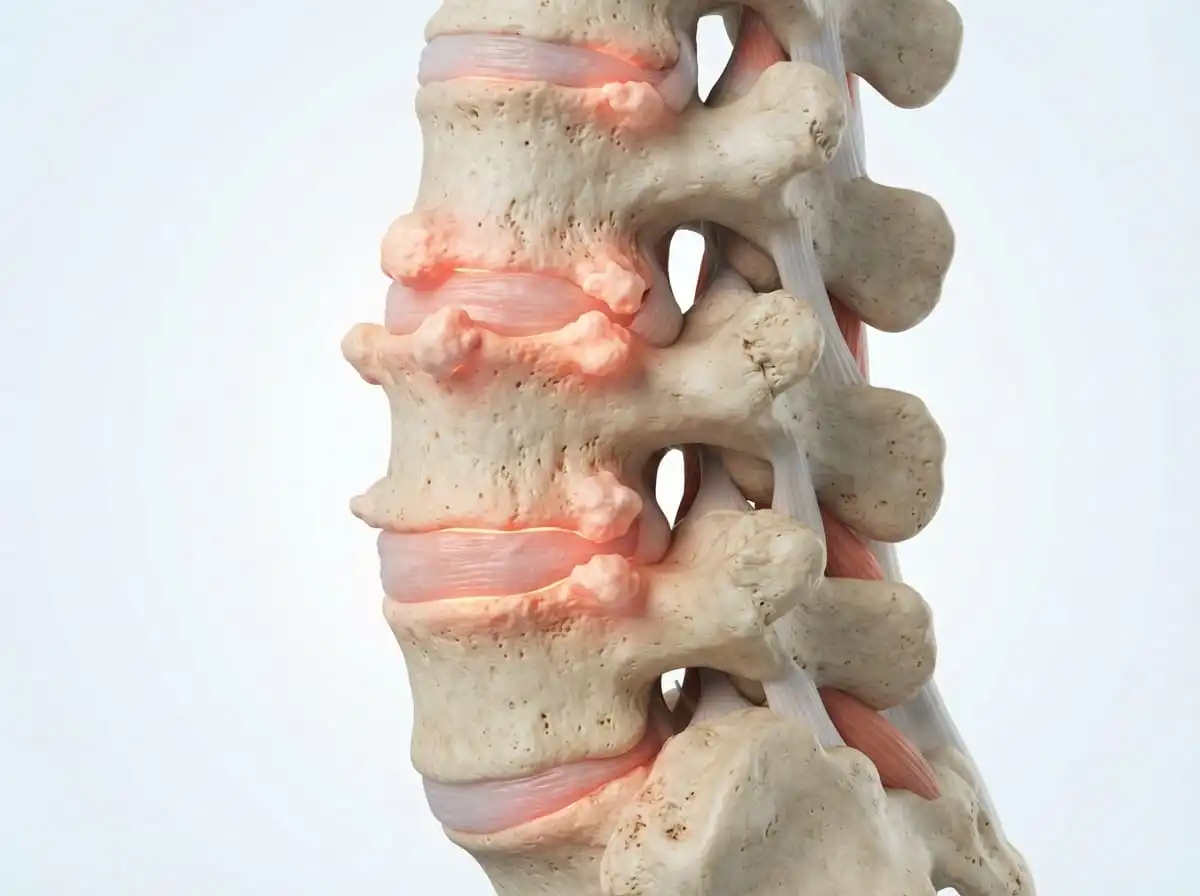
Lumbar Spondylosis
Degenerative changes in the lower spine leading to persistent back pain and reduced flexibility.
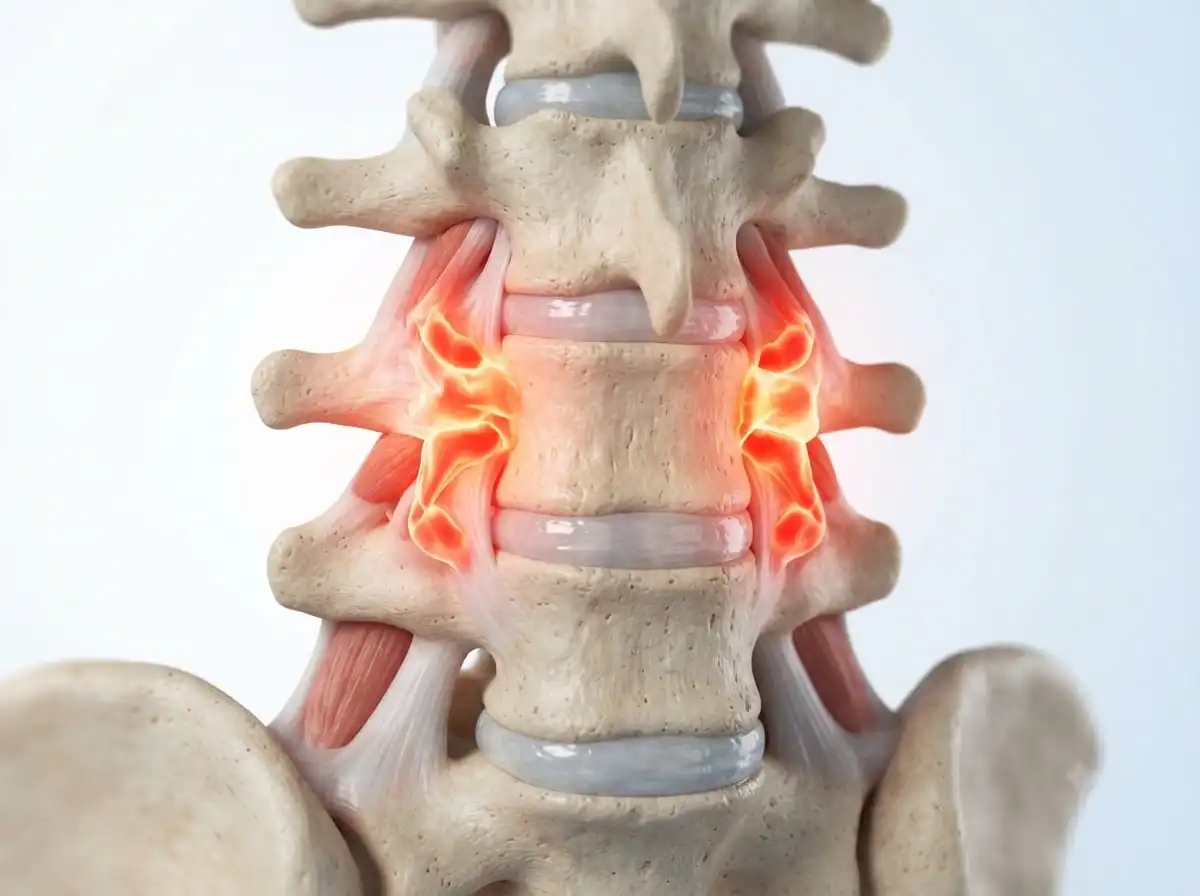
Facet Joint Syndrome
Pain originating from inflamed spinal facet joints, often worsening with twisting or prolonged standing.
Slipped Disc
A herniated spinal disc that presses on nearby nerves, causing pain, numbness, and reduced mobility.
Cervical Spondylosis
Age-related degeneration of the neck joints causing stiffness, chronic pain, and limited movement.
Lumbar Spondylosis
Degenerative changes in the lower spine leading to persistent back pain and reduced flexibility.
Facet Joint Syndrome
Pain originating from inflamed spinal facet joints, often worsening with twisting or prolonged standing.
Chronic Neck Pain
Persistent neck pain caused by muscle strain, arthritis, disc problems, or nerve compression.
Sciatica
Pain radiating from the lower back into the leg due to irritation or compression of the sciatic nerve.
COMPREHENSIVE SPINE CARE
Other Spine & Back Conditions We Treat
Our comprehensive pain management approach covers a wide range of spinal, nerve, muscle, and joint conditions with personalized, evidence based treatment plans.
Cervical Radiculopathy
Pain caused by irritation or compression of nerves in the neck, often leading to pain, numbness, tingling, or weakness radiating into the shoulder, arm, or hand.
Cervicogenic Headache
Headaches originating from disorders of the cervical spine and surrounding muscles. These headaches are often accompanied by neck stiffness and reduced range of motion.
Whiplash-Associated Pain
Neck pain and stiffness resulting from sudden acceleration-deceleration injuries, commonly after road traffic accidents or sports-related trauma.
Upper Back Pain
Persistent pain in the upper back caused by muscle strain, poor posture, spinal disorders, or repetitive activities that limit everyday comfort and mobility.
Myofascial Pain Syndrome
A chronic pain condition caused by sensitive trigger points within muscles, resulting in localized pain, muscle tightness, and referred pain patterns.
SI Joint Dysfunction
Pain arising from the sacroiliac joint connecting the spine and pelvis, often causing discomfort in the lower back, buttocks, hips, or legs.
Failed Back Surgery Syndrome
Persistent or recurring back and leg pain even after spinal surgery, requiring comprehensive evaluation and advanced pain management solutions.
Coccydynia
Pain around the tailbone that worsens while sitting or during certain movements, commonly caused by injury, prolonged pressure, or inflammation.
Persistent Spine Pain That Needs Evaluation
Persistent neck or back pain lasting more than six weeks, recurring frequently, or associated with numbness, weakness, or reduced mobility should be assessed by a pain specialist for an accurate diagnosis and personalized treatment.
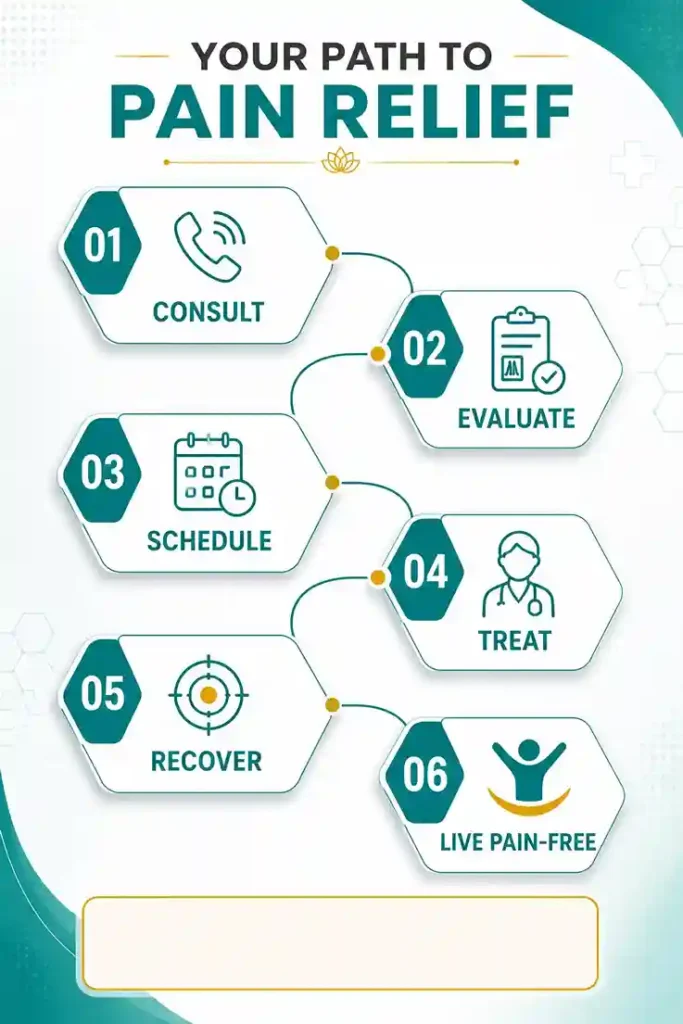
PERSONALIZED PAIN CARE
Treatment Options & Frequently Asked Questions
Learn about our personalized treatment approach for spine and back pain and find answers to the most common questions patients ask before starting treatment.
Advanced Treatment Options for Spine & Back Pain
We create personalized treatment plans based on the root cause of your pain, helping you recover faster with minimally invasive, evidence-based techniques.
Ultrasound-Guided Injections
Epidural Steroid Injections
Radiofrequency Ablation (RFA)
Regenerative Therapy (PRP)
PATIENT QUESTIONS
What are the most common causes of spine and back pain?
Spine and back pain can result from poor posture, muscle strain, slipped discs, arthritis, nerve compression, sports injuries, age related degeneration, or prolonged sitting. An accurate diagnosis helps identify the underlying cause and determine the most effective treatment.
When should I see a pain specialist for back pain?
You should consult a pain specialist if your back pain lasts longer than six weeks, keeps returning, radiates to your arms or legs, causes numbness or weakness, or affects your daily activities, sleep, or quality of life.
Can chronic back pain be treated without surgery?
Yes. Many cases of chronic back pain can be successfully managed with medications, physiotherapy, lifestyle modifications, regenerative therapies, and minimally invasive image-guided pain procedures, reducing or eliminating the need for surgery.
What treatments are available for spine and back pain?
Treatment options depend on the cause of your pain and may include medications, physiotherapy, ultrasound-guided injections, epidural steroid injections, nerve blocks, radiofrequency ablation (RFA), regenerative therapies such as PRP, and rehabilitation programs.
Are ultrasound-guided pain injections safe?
Yes. Ultrasound-guided injections are considered safe and highly accurate because they allow your doctor to see the targeted nerves, joints, muscles, or tendons in real time, improving precision while reducing the risk of complications.
Can a slipped disc or sciatica heal without surgery?
Yes. Many patients with slipped discs or sciatica recover successfully through conservative and minimally invasive treatments, including medications, physiotherapy, epidural injections, and guided rehabilitation. Surgery is recommended only when symptoms are severe or do not improve with non-surgical care.
How do I know which treatment is right for my spine condition?
The right treatment depends on the exact cause of your pain, its severity, your medical history, lifestyle, and overall health. After a detailed evaluation, your pain specialist will create a personalized treatment plan focused on relieving pain, improving mobility, and restoring your quality of life.
How long does it take to recover from minimally invasive pain treatments?
Recovery varies depending on the procedure and your condition. Most patients can resume normal daily activities within a few days, while pain relief may continue to improve over the following weeks with proper rehabilitation.
WHEN TO SEE A PAIN SPECIALIST
Don't Let Pain Control Your Life
If your pain is affecting your work, sleep, or daily activities, seeking expert care early can prevent long-term complications and help you return to a healthier, more active life.
- Pain lasting more than 6 weeks
- Pain radiating to the arms or legs
- Numbness, tingling, or muscle weakness
- Difficulty walking, sitting, or sleeping comfortably
- Pain that keeps returning despite treatment
- Looking for effective non-surgical pain relief
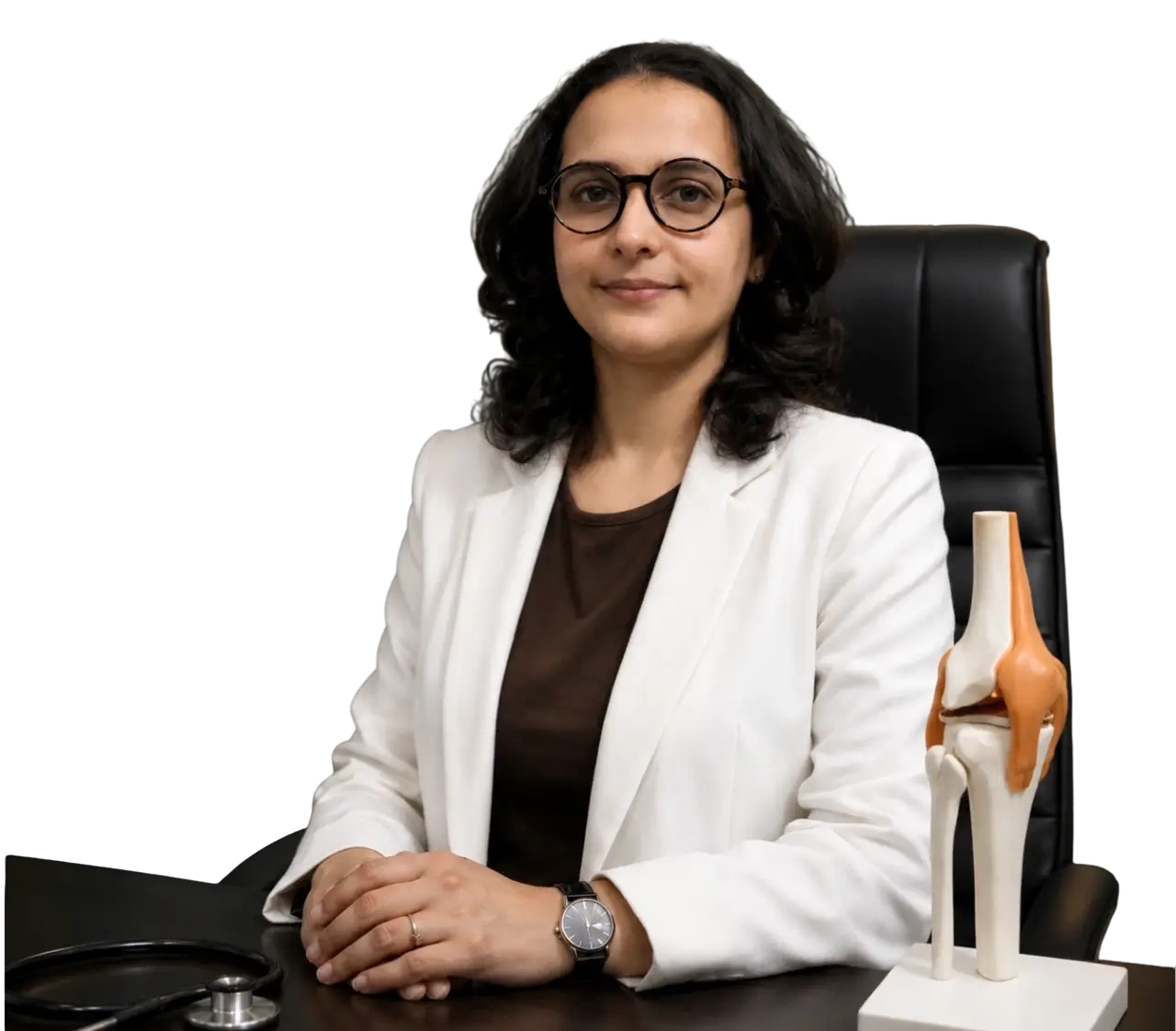
Ready to Find Lasting Pain Relief?
Schedule a consultation with Dr. Radhika and receive a personalized, evidence-based treatment plan designed around your condition and lifestyle.